Zita Kalandarishvili, OTA-SOccupational Therapy Assistant Student | Occupational Therapist (Ukraine)
zitasun91@gmail.com805-869-9863

OTA Projects

Three samples of my work in the Santa Ana College OTA program.

Hungry Kitty

Interactive activity for children ages 7–11
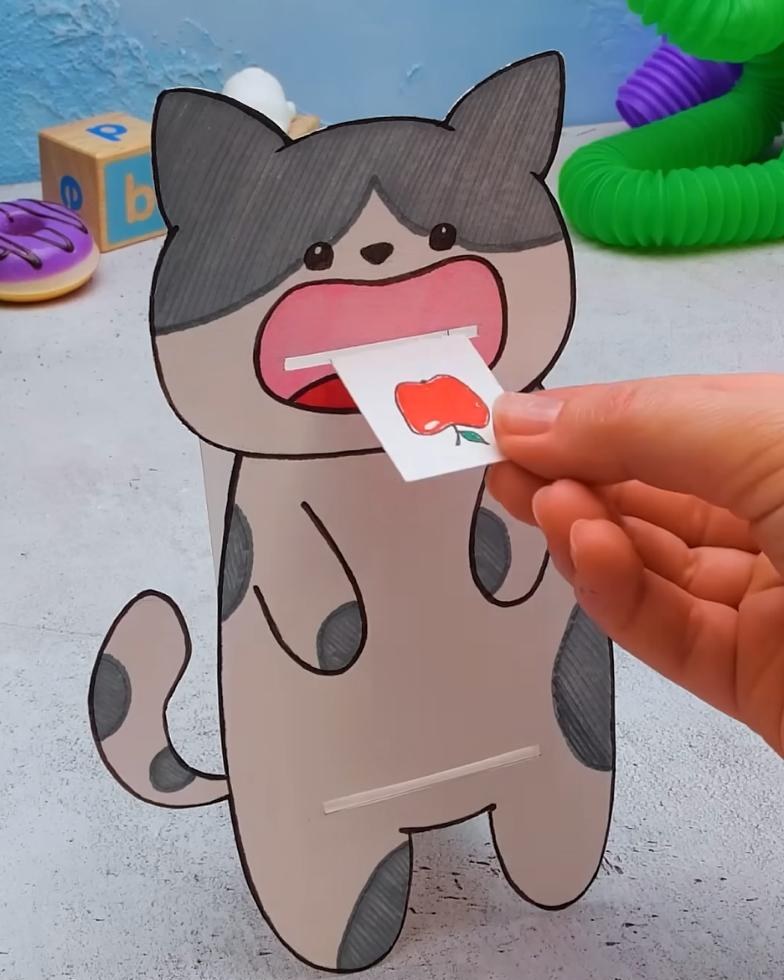
A paper cat with an open mouth; a hand slides a card with an apple drawn on it into the mouth

For this assignment, I designed an interactive activity called Hungry Kitty, intended for children ages 7–11, and demonstrated it to my classmates. I created two-sided food cards that showed a whole food item on one side and the same food with a bite taken out of it on the other. When the whole food was placed into the kitty’s mouth, the card traveled through the kitty and came out through the bottom, revealing the “eaten” side.

The activity was designed to address fine motor coordination, visual-motor skills, attention, sequencing, and imaginative play. This project demonstrated how a simple and engaging activity can be used to motivate children while supporting different therapeutic goals.

How it works

  1. A two-sided card shows a whole food item.
  2. The card goes into the kitty’s mouth.
  3. It travels through the kitty and comes out at the bottom, showing the same food with a bite taken out.

Skills addressed

  • Fine motor coordination
  • Visual-motor skills
  • Attention
  • Sequencing
  • Imaginative play

Color Tracking Challenge

Hands-on activity, designed and led

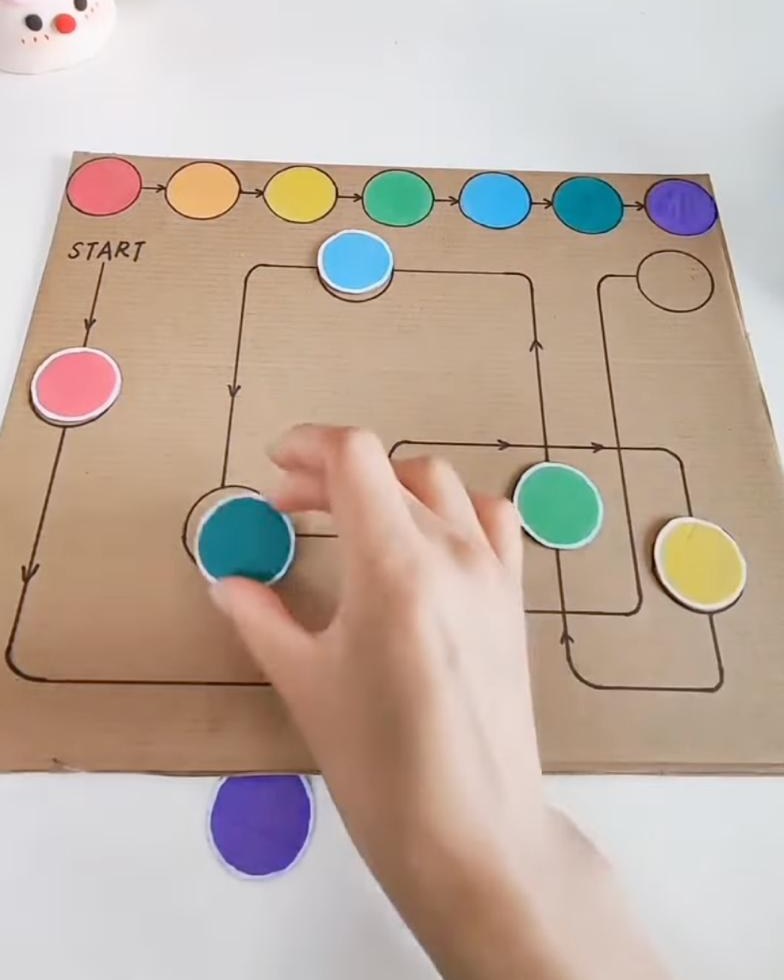
A cardboard board with a drawn track and arrows; a hand places colored circles along the track in sequence

In this assignment, I designed and led a hands-on activity called the Color Tracking Challenge. Each participant created their own unique track using colored pieces and then followed the completed tracks by moving the colors in the correct sequence. Additional challenges, such as using the non-dominant hand and completing the activity within a set time, were added to increase the level of difficulty.

The activity addressed creativity, visual tracking and perception, fine motor coordination, attention, sequencing, planning, and problem-solving. I also explored ways to grade and adapt the activity for different abilities and populations. This project helped me practice activity analysis and understand how a simple, engaging activity can be modified to support different therapeutic goals.

How it works

  1. Each participant creates a unique track using colored pieces.
  2. Participants follow the completed tracks, moving the colors in the correct sequence.
  3. To increase difficulty, they use the non-dominant hand or complete the activity within a set time.

Skills addressed

  • Creativity
  • Visual tracking and perception
  • Fine motor coordination
  • Attention
  • Sequencing
  • Planning
  • Problem-solving

Cognitive Compass: TBI Group Project

Group intervention program for adults with traumatic brain injury

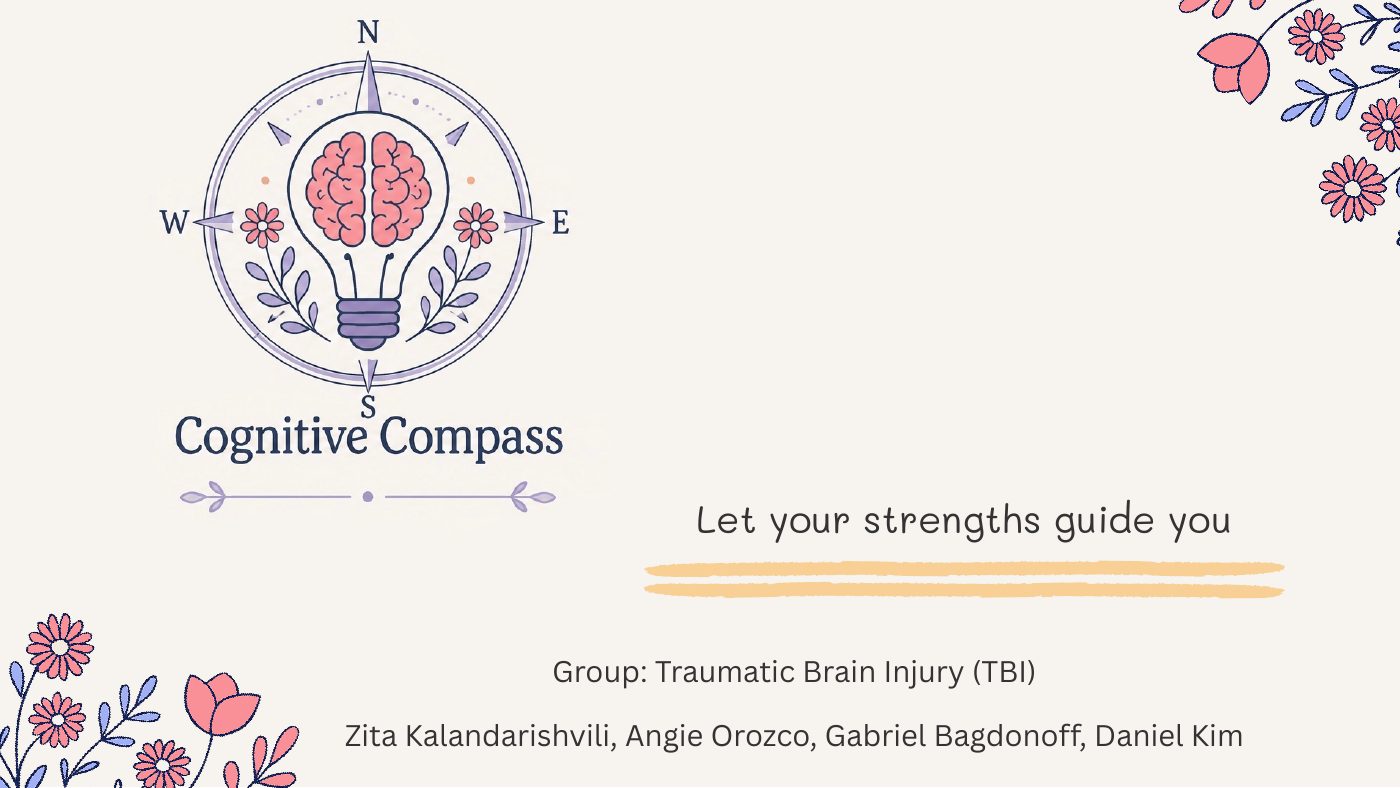
Title slide of the Cognitive Compass presentation with a compass and brain logoDownload the presentation (PDF, 18 slides, 11 MB)

For this group project, we developed Cognitive Compass, an occupational therapy intervention program for adults with traumatic brain injury (TBI). The program focused on improving safety awareness, sequencing, problem-solving, and independence with everyday activities.

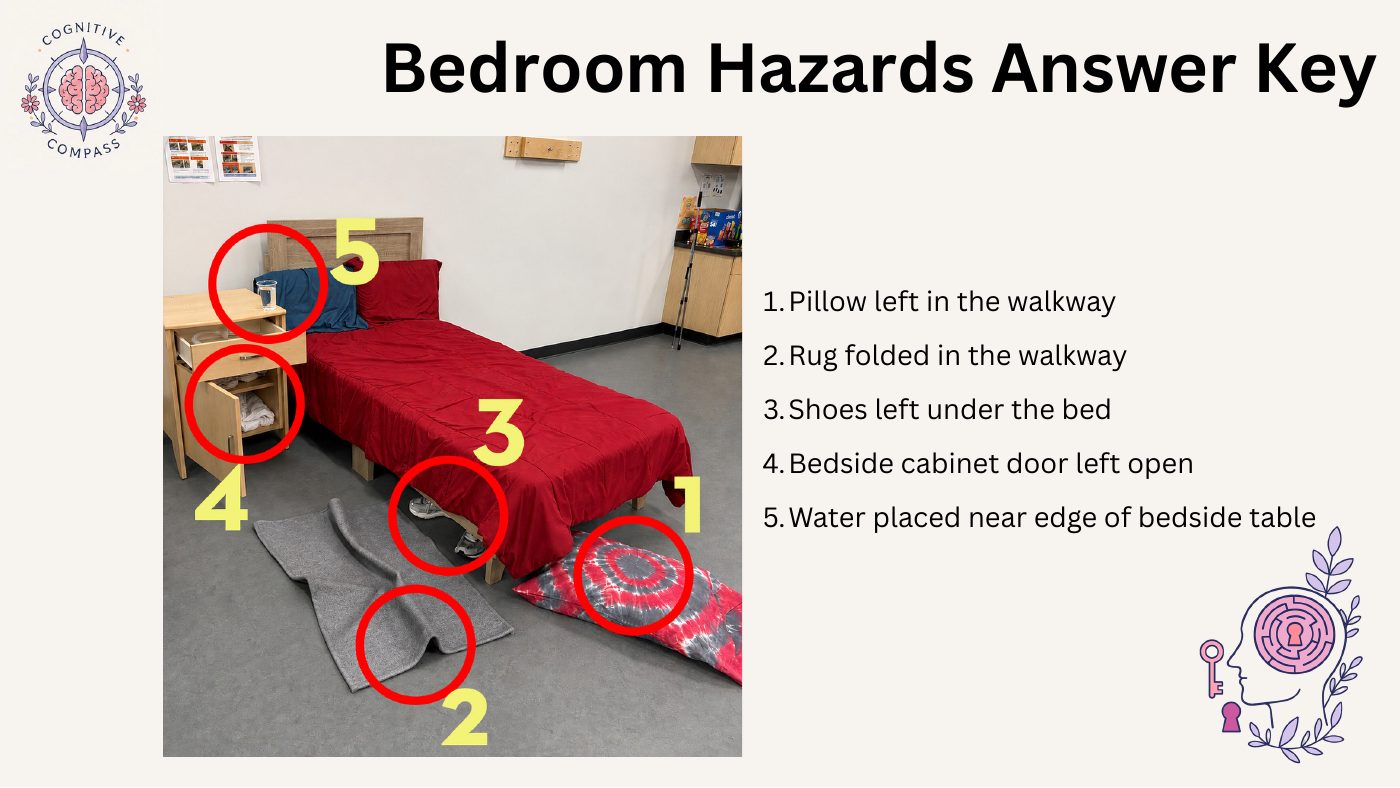
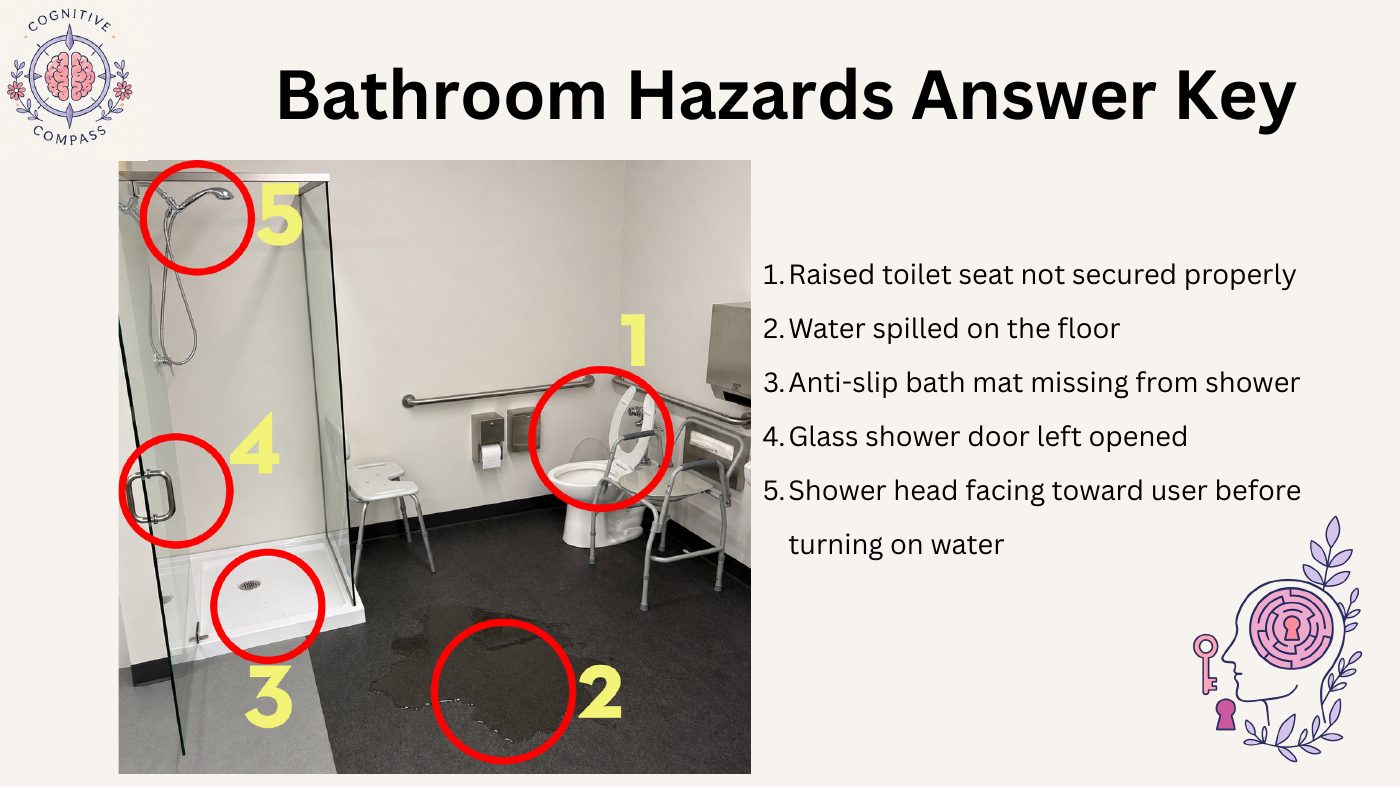
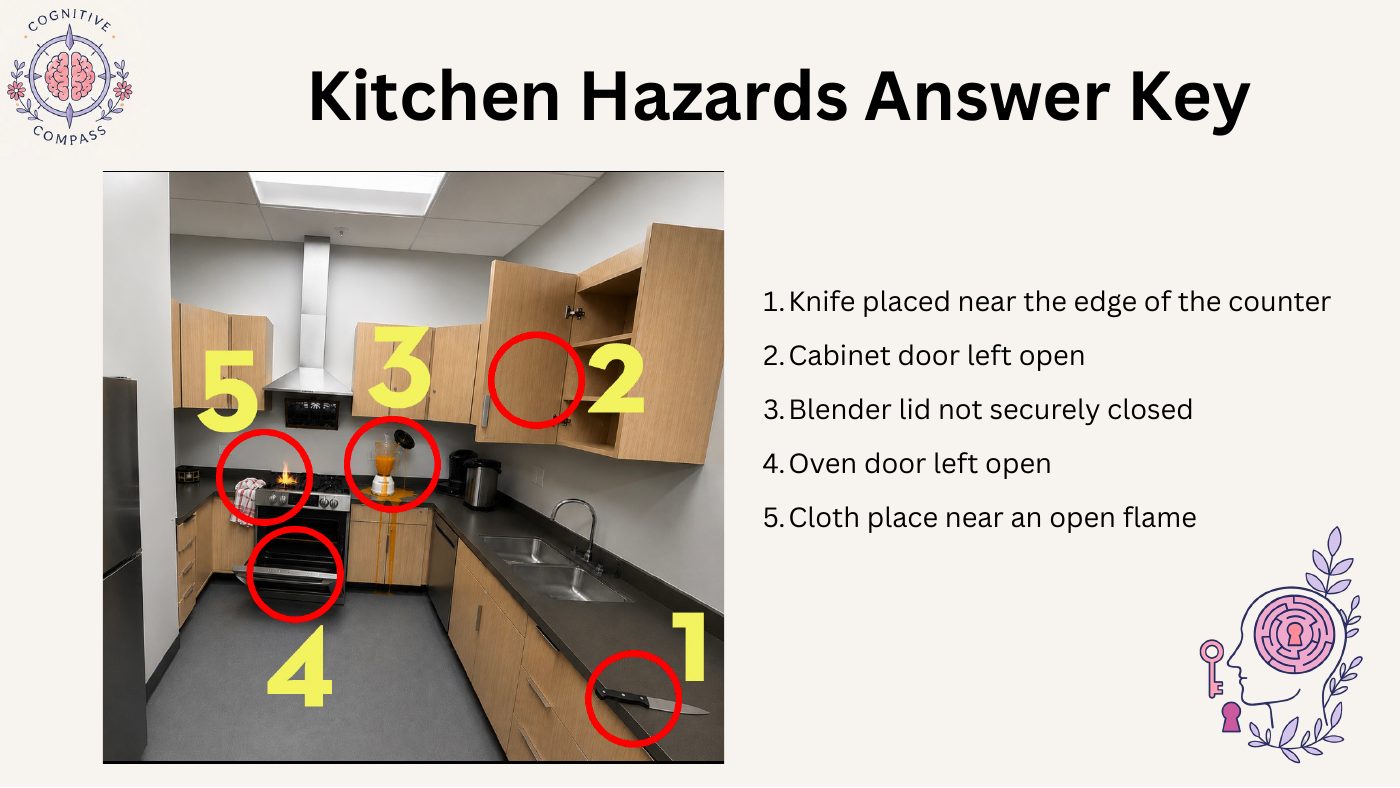
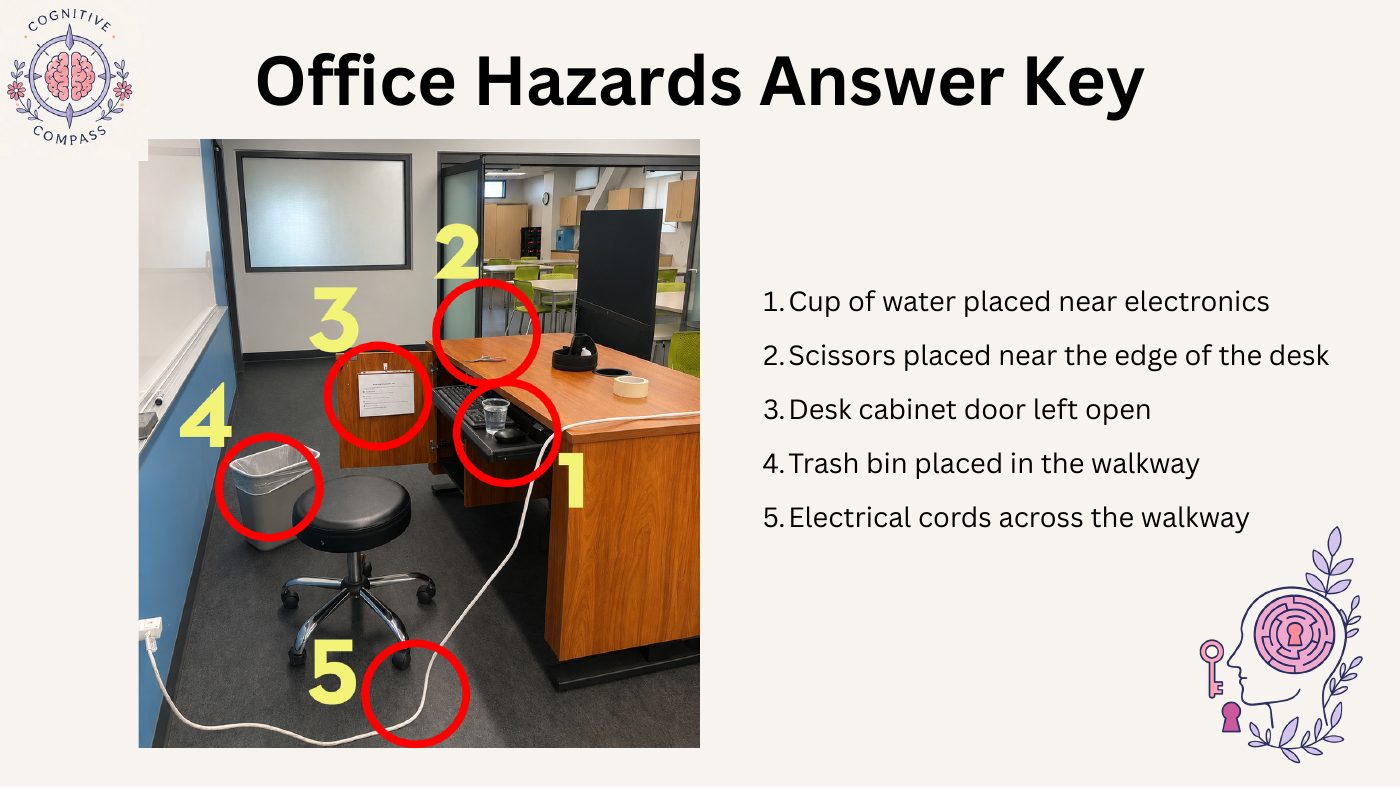
As part of the project, we created an interactive hazard-identification simulation using four environments: a bedroom, bathroom, kitchen, and office. Participants observed simulated unsafe situations, identified environmental hazards, and then practiced scanning the environment and determining how to correct the hazards. The project demonstrated how structured, functional activities can be used in OT to promote safety and greater independence with ADLs and IADLs.

How it works

  1. Participants observe simulated unsafe situations.
  2. They identify the environmental hazards.
  3. They practice scanning the environment and determining how to correct the hazards.

Skills addressed

  • Safety awareness
  • Sequencing
  • Problem-solving
  • Independence with ADLs and IADLs

Project team

Zita Kalandarishvili, Angie Orozco, Gabriel Bagdonoff, Daniel Kim

Six weekly sessions

  1. Hazard Identification
  2. Morning Routine Sequencing
  3. 6-Step Recipe Meal Prep
  4. Advanced Hazard Identification
  5. Full Day Routine
  6. 10-Step Recipe Meal Prep

Hazard-identification stations

Presentation slide: Bedroom hazards answer key
Bedroom hazards answer key
Presentation slide: Bathroom hazards answer key
Bathroom hazards answer key
Presentation slide: Kitchen hazards answer key
Kitchen hazards answer key
Presentation slide: Office hazards answer key
Office hazards answer key